“tree trunk” search results (200)

Brief introduction to the planting of Coffee trees
One of the characteristics of a coffee tree is that its fruit can bear fruit several times a year, and another is that flowers and fruits coexist at different stages of ripening.
2014-07-17 Coffee knowledge coffee cultivation coffee encyclopedia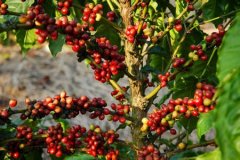
Planting and picking of Coffee trees
One of the characteristics of a coffee tree is that its fruit can bear fruit several times a year, and another is that flowers and fruits coexist at different stages of ripening.
2014-07-11 Coffee knowledge coffee tree planting coffee picking coffee encyclopedia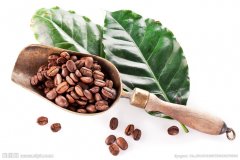
What are the varieties of coffee beans in Libya?
The Liberian species, the large-grained species, is native to Liberia in Africa, as well as a few countries such as Malaysia. Its cultivation history is slightly shorter than the other two coffee trees. Liberian coffee trees are suitable for growing in lowlands. Its trunk is high and strong, it is 18 meters high, its leaves are large and tough, and its fruits and coffee beans are also very large. Its seed coat is close to the seed kernel and is scarlet when it is mature. The quotation flavor is strong.
2016-05-16 Libya coffee beans varieties what Libby subspecies large grains from Africa

Cultivation techniques of small-grain Coffee in Yunnan Province: pest Control
1. Coffee tiger, longicorn beetle. The coffee tiger longicorn beetle harms the coffee trunk for more than 2 years. At first, it eats between the cambium and xylem, and then eats the xylem. It has a great effect on coffee, the light ones make the plants yellow, withered branches and fruit drop, and the serious ones die of the whole plant. At the initial stage of the damage, there was no obvious hole in the appearance, but only slightly raised in the epidermis of the injured area. Prevention and control methods: strengthening the management of ①
2015-10-07 Yunnan Province small grains coffee cultivation techniques insect pests control longicorn beetles larvae
Analysis on the existing Resources of Coffee Network
The coffee tree has delicate white flowers that smell like oranges and jasmine. Sometimes it is just a tree blooming alone, like a young bride, sometimes the whole coffee garden is in full bloom, it looks like a sea of white flowers, beautiful and intoxicating. But the florescence is fleeting. Within two or three days, the petals dispersed with the wind, leaving only the remaining fragrance spinning in the air. It won't be long before a little fruit
2016-06-07 Coffee beans planting way coffee available resources analysis open delicate
What kind of conditions do you need to grow coffee trees?
The growing conditions of coffee are extremely complex and need to adapt to the weather, soil and other coffee trees produce delicate white flowers with a fragrance like orange and jasmine. Sometimes it is just a tree blooming alone, like a young bride, sometimes the whole coffee garden is in full bloom, it looks like a sea of white flowers, beautiful and intoxicating. But the florescence is fleeting. Within two or three days, the petals dispersed with the wind.
2016-05-24 Planting coffee need have what kind conditions planting extreme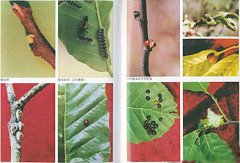
Common Coffee Diseases and pests in Coffee cultivation and Control methods
It is distributed in all coffee producing areas in the world, and it also occurs in Yunnan, Guangxi and Hainan Island in China. It is one of the major pests of coffee. Coffee longicorn beetles, which damage the coffee trunk by larvae for more than 2 years, initially eat between the cambium and xylem, and then eat (1) pest control. 1. Coffee tiger longicorn beetles are distributed in all coffee producing areas in the world. Yunnan, Guangxi and Hainan, China
2015-02-16 Coffee common sense planting common diseases and insect pests prevention and control methods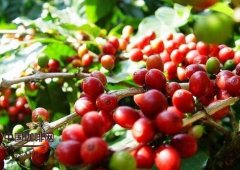
Liberian coffee beans, Liberian or large-grained species, native to Liberia in Africa
The Liberian species, the large-grained species, is native to Liberia in Africa, as well as a few countries such as Malaysia. Its cultivation history is slightly shorter than the other two coffee trees. Liberian coffee trees are suitable for growing in lowlands. Its trunk is high and strong, it is 18 meters high, its leaves are large and tough, and its fruits and coffee beans are also very large. Its seed coat is close to the seed kernel and is scarlet when it is mature. The quotation flavor is strong.
2016-05-19 Libby subspecies coffee beans large grains from Africa Liberia
What kind of environment is most suitable for planting coffee trees?
The planting conditions of coffee trees, however, not all the land located in this area can produce good coffee trees. The ideal planting conditions of coffee trees are as follows: the temperature is between 15 ℃ and 25 ℃, and the annual rainfall must reach 1500 mm to 2000 mm. At the same time, the rainfall time should be in line with the flowering cycle of coffee trees. Of course, except for the matching of seasons and rainfall
2016-06-08 What kind of environment planting coffee trees are most suitable for coffee conditions but
A rare variety of Liberian species, namely large-grained species, native to Liberia in Africa.
The Liberian species, the large-grained species, is native to Liberia in Africa, as well as a few countries such as Malaysia. Its cultivation history is slightly shorter than the other two coffee trees. Liberian coffee trees are suitable for growing in lowlands. Its trunk is high and strong, it is 18 meters high, its leaves are large and tough, and its fruits and coffee beans are also very large. Its seed coat is close to the seed kernel and is scarlet when it is mature. The quotation flavor is strong.
2016-05-27 Rarity variety Libby subspecies large grain produced in Africa Liberia Asia
A rare variety of Liberian species, namely large-grained species, native to Liberia in Africa.
The Liberian species, the large-grained species, is native to Liberia in Africa, as well as a few countries such as Malaysia. Its cultivation history is slightly shorter than the other two coffee trees. Liberian coffee trees are suitable for growing in lowlands. Its trunk is high and strong, it is 18 meters high, its leaves are large and tough, and its fruits and coffee beans are also very large. Its seed coat is close to the seed kernel and is scarlet when it is mature. The quotation flavor is strong.
2016-05-27 Rarity variety Libby subspecies large grain produced in Africa Liberia Asia
A rare variety of Liberian species, namely large-grained species, native to Liberia in Africa.
The Liberian species, the large-grained species, is native to Liberia in Africa, as well as a few countries such as Malaysia. Its cultivation history is slightly shorter than the other two coffee trees. Liberian coffee trees are suitable for growing in lowlands. Its trunk is high and strong, it is 18 meters high, its leaves are large and tough, and its fruits and coffee beans are also very large. Its seed coat is close to the seed kernel and is scarlet when it is mature. The quotation flavor is strong.
2016-05-27 Rarity variety Libby subspecies large grain produced in Africa Liberia Asia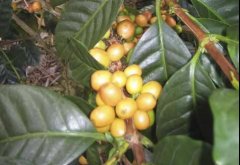
Coffee variety: Pacama (Pacamara)
Pacamara coffee is a hybrid of Pacas Pacas (a sudden variant of the bourbon species) and giant bean Maragogype (a sudden variant of the Tibica species found in Brazil) found in El Salvador in the 1950s. The coffee tree is very tall, the branch spacing of the trunk is wider than that of Pacas Pacas, and the edge of dark green leaves is wavy. It is suitable for cultivation at the elevation of 900m to 1500m.
2014-07-02 Coffee variety Pacamara coffee beans
Rose summer coffee beans
Rosa originated from a very rare wild species in Ethiopia, and the beans may be named after this coffee bean found near the local village called Rosa. The coffee tree is tall, its leaves are slender, and it is not afraid of coffee rust. It is characterized by a wide gap between branches on the trunk. The appearance of raw beans is slender, and ripe beans have strong and rich fruit aromas. I personally feel full-bodied.
2014-08-04 Rose summer coffee beans rose summer originated in Ethiopia very rare wild product
Pacamara coffee
Pacamara coffee is a hybrid of Pacas Pacas (a sudden variant of the bourbon species) and giant bean Maragogype (a sudden variant of the Tibica species found in Brazil) found in El Salvador in the 1950s. The coffee tree is very tall, the branch spacing of the trunk is wider than that of Pacas Pacas, and the edge of dark green leaves is wavy. It is suitable for cultivation at the elevation of 900m to 1500m.
2014-08-07 Paka Mara Coffee 1950s El Salvador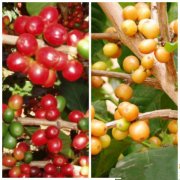
Hybrid coffee variety: Pacamara Coffee (Pacamara)
The higher the elevation, the better the quality, the hybrid with the giant bean Maragogype, a sudden variant of the Tibica species found in Brazil. The coffee tree is tall, and the branches of the trunk are wider than the Pacas species of Pacas. Pacamara coffee is a dark green leaf of Pacas Pacas (a sudden variant of the bourbon species) found in El Salvador in 1950. The edge of the leaf is wavy and cultivated.
2014-09-04 Coffee knowledge hybrid coffee varieties Pacamara coffee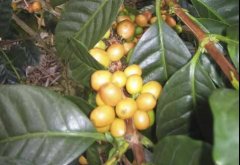
Coffee variety Pacamara (Pacamara)
Pacamara coffee is a hybrid of Pacas Pacas (a sudden variant of the bourbon species) and giant bean Maragogype (a sudden variant of the Tibica species found in Brazil) found in El Salvador in the 1950s. The coffee tree is very tall, the branch spacing of the trunk is wider than that of Pacas Pacas, and the edge of dark green leaves is wavy. It is suitable for cultivation at the elevation of 900m to 1500m.
2014-09-25 Coffee variety Pacamara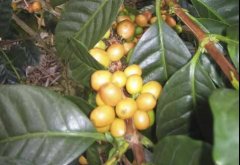
Boutique coffee bean coffee variety Pacamara
Pacamara coffee is a hybrid of Pacas Pacas (a sudden variant of the bourbon species) and giant bean Maragogype (a sudden variant of the Tibica species found in Brazil) found in El Salvador in the 1950s. The coffee tree is very tall, the branch spacing of the trunk is wider than that of Pacas Pacas, and the edge of dark green leaves is wavy. It is suitable for cultivation at the elevation of 900m to 1500m.
2014-09-30 Coffee knowledge boutique coffee beans coffee varieties Pacamara
Boutique coffee beans recommend Rosa coffee beans
Rosa originated from a very rare wild species in Ethiopia, and the beans may be named after this coffee bean found near the local village called Rosa. The coffee tree is tall, its leaves are slender, and it is not afraid of coffee rust. It is characterized by a wide gap between branches on the trunk. The appearance of raw beans is slender, and ripe beans have strong and rich fruit aromas. I personally feel full-bodied.
2014-10-28 Coffee knowledge boutique coffee beans rose summer coffee beans